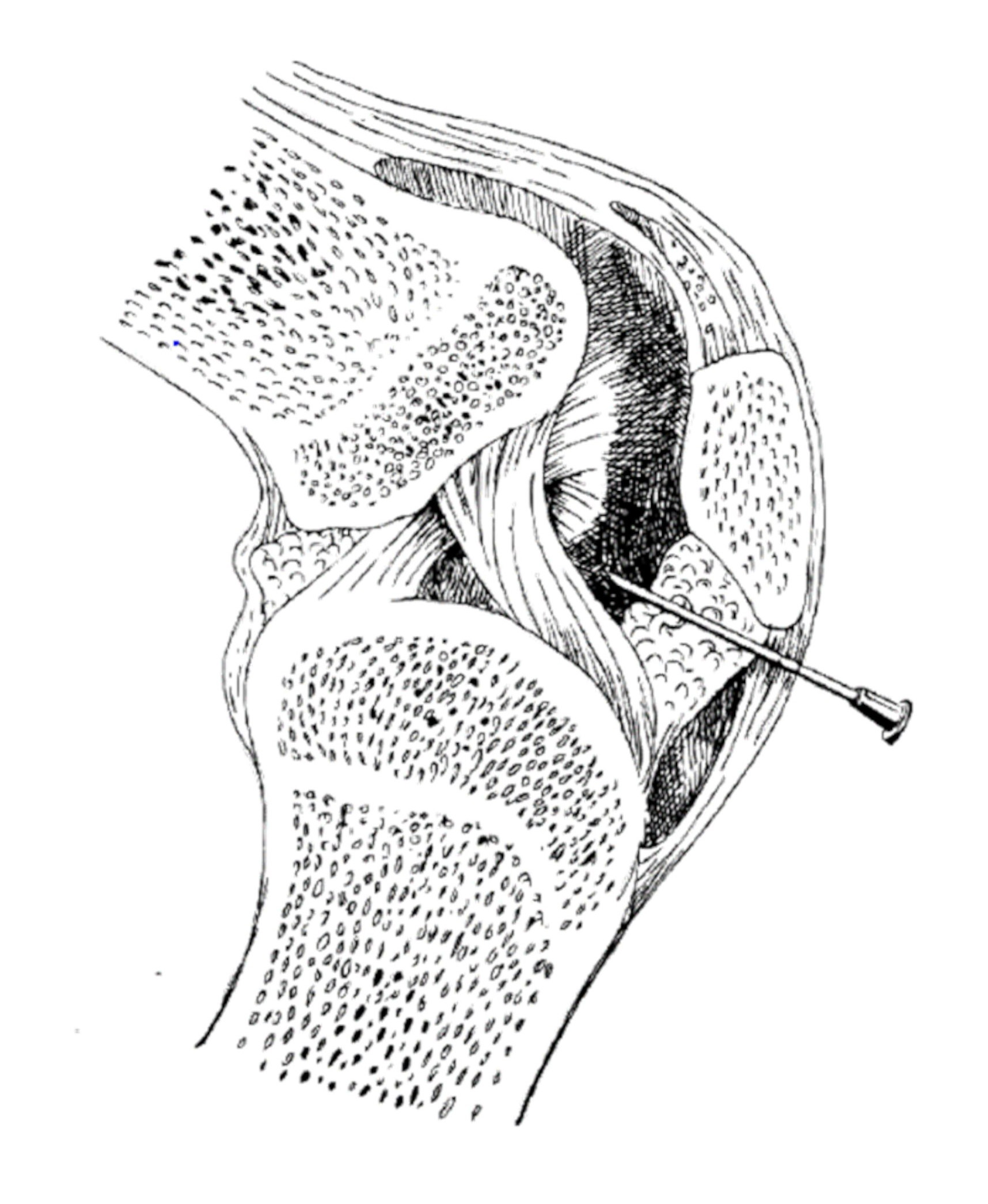
Methods of Ozone Therapy
Basic Procedures of Systemic Action
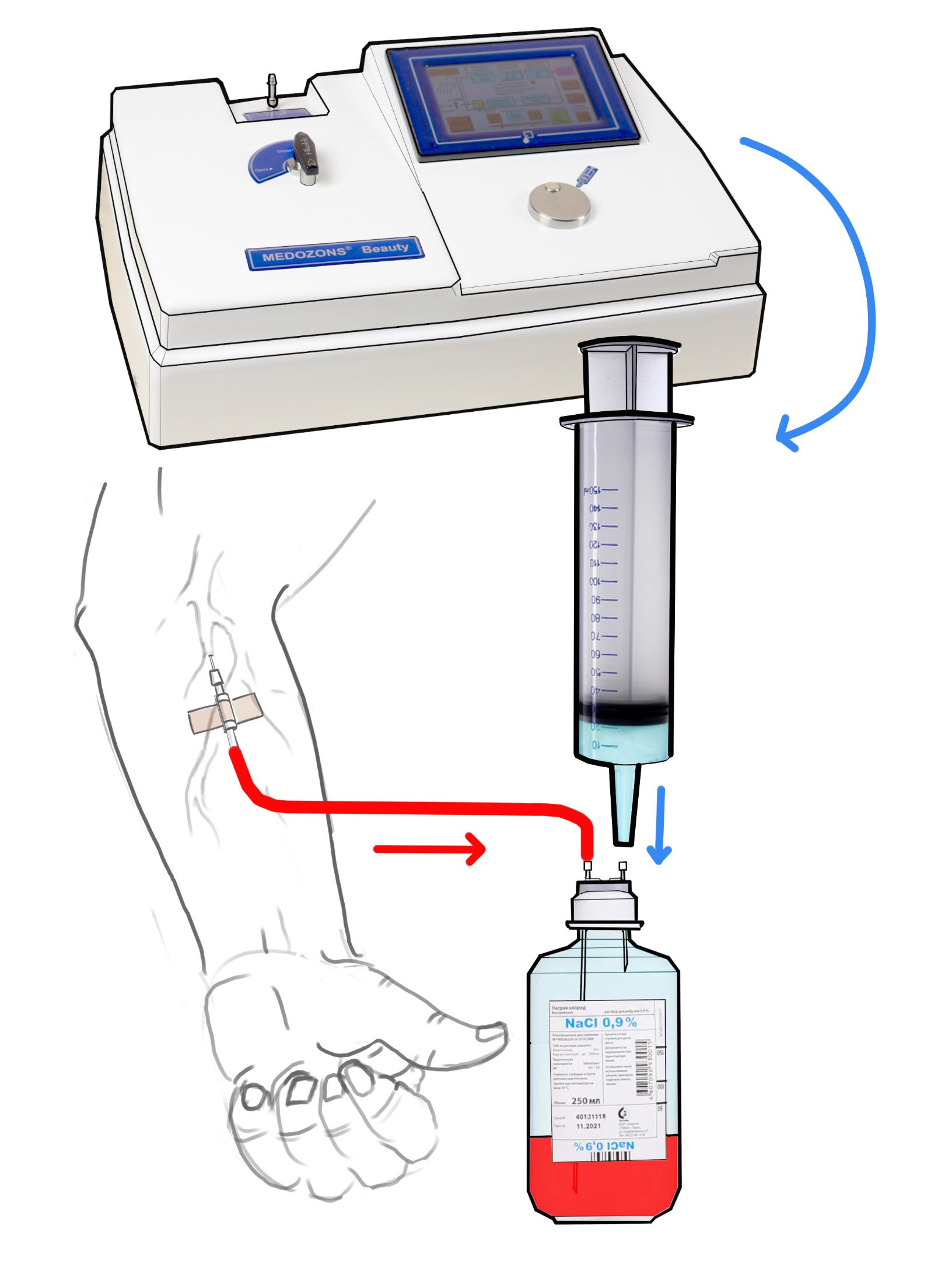
1. Major Autohaemotherapy (AHT) with ozone.
One of the most effective methods of systemic action. During this procedure a certain volume of the patient's whole blood is withdrawn from the cubital vein by means of a disposable infusion set, enriched with an ozone/oxygen gas mixture (O2/O3) in a plastic container called Haemokon (the O2/O3 is introduced into the container before withdrawal of blood) or in a sterile glass bottle after isotonic NaCl solution (in this case the O2/O3 is introduced into the bottle after withdrawal of blood). The bottle contains 100 ml of remained NaCl solution mixed with heparin. The treated blood containing active forms of oxygen (ozonides) is reinfused to the patient through the same infusion set.
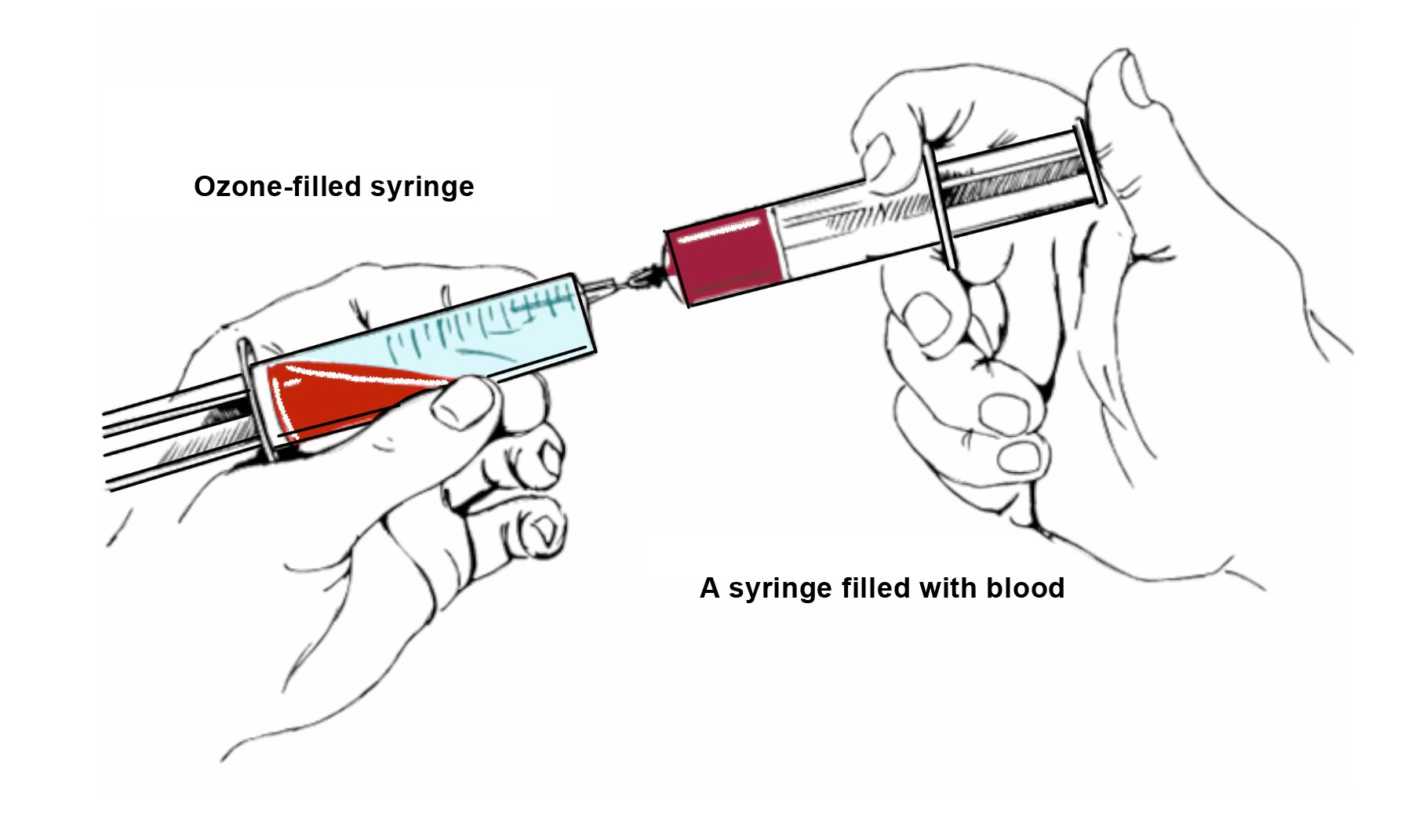
2. Minor Autohaemotherapy (AHT) with ozone is a traditional method of immunostimulation.
O2/O3 is introduced into one syringe, and blood from the vein is taken into another syringe, then carefully transferred into the syringe with O2/O3. The blood enriched with ozone is administered intramuscularly into the buttock.
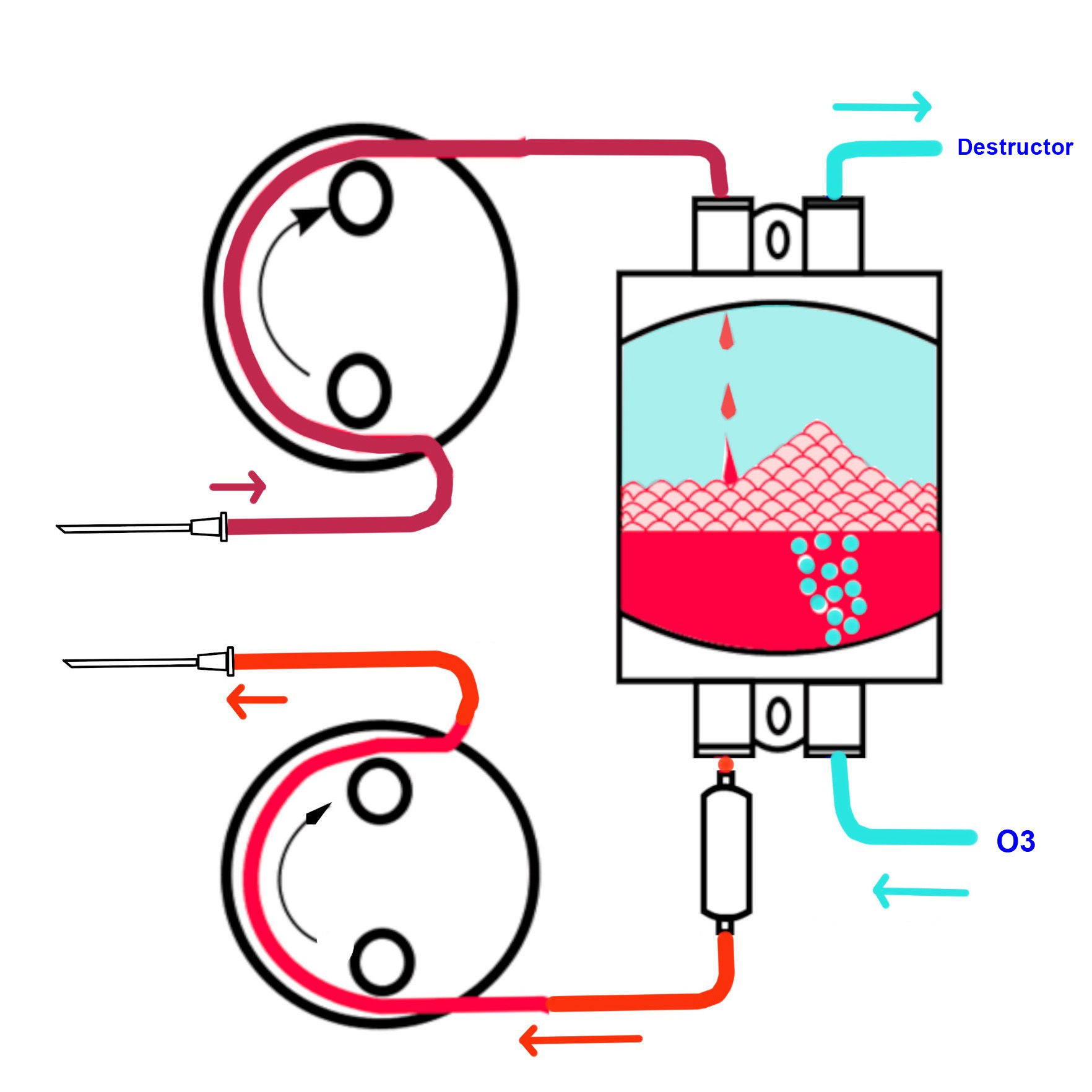
3. Extracorporeal (continuous-flow) treatment of large volume of autoblood (EBOO or RHP).
Low ozone concentrations, long time of treatment. The most sophisticated and at the same time the most effective method of systemic action.
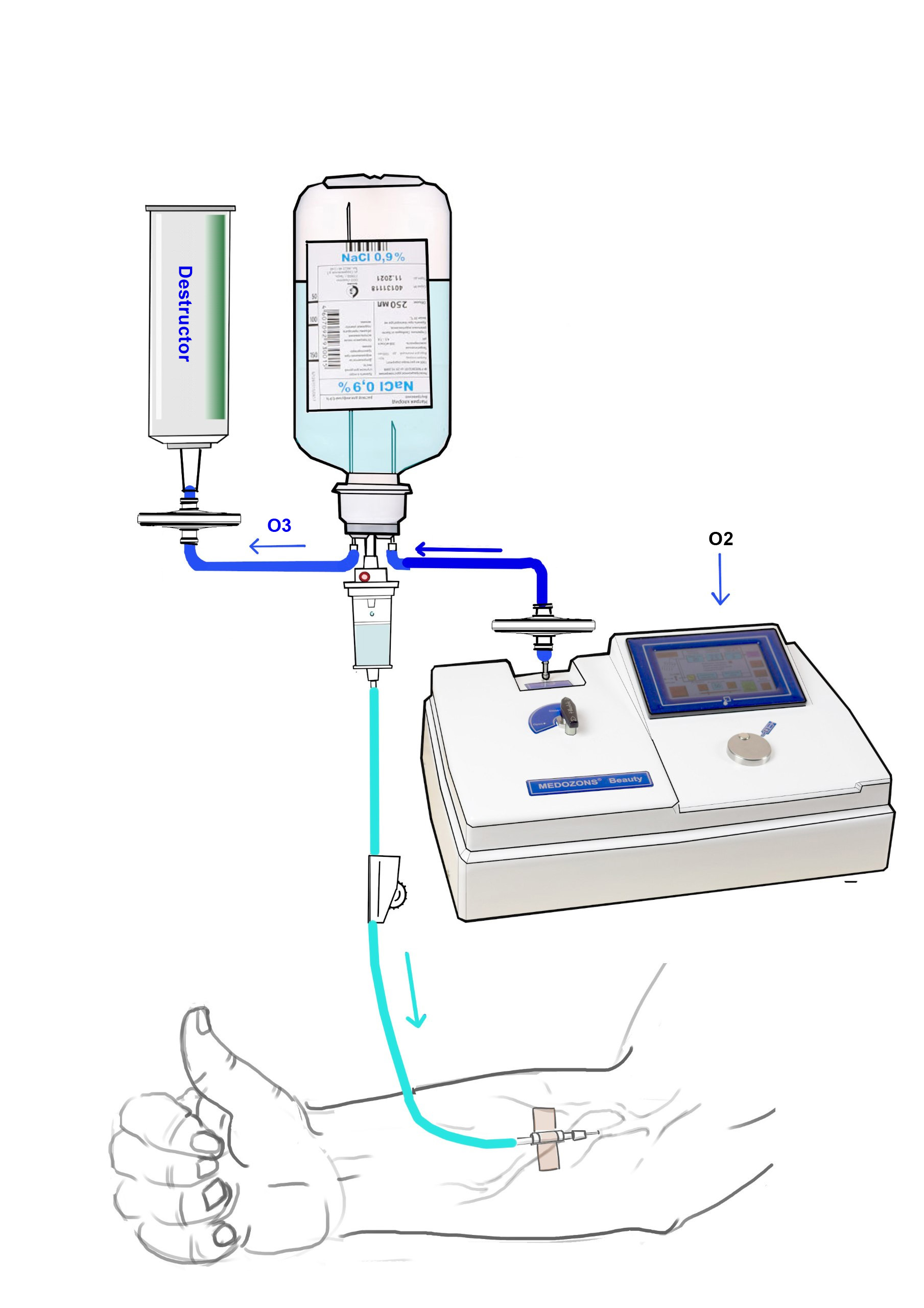
4. Parenteral infusion of ozonated physiological saline solution.
Headliner of the Russian approach of ozone therapy. Can be used in outpatient settings. The most frequently used procedure.
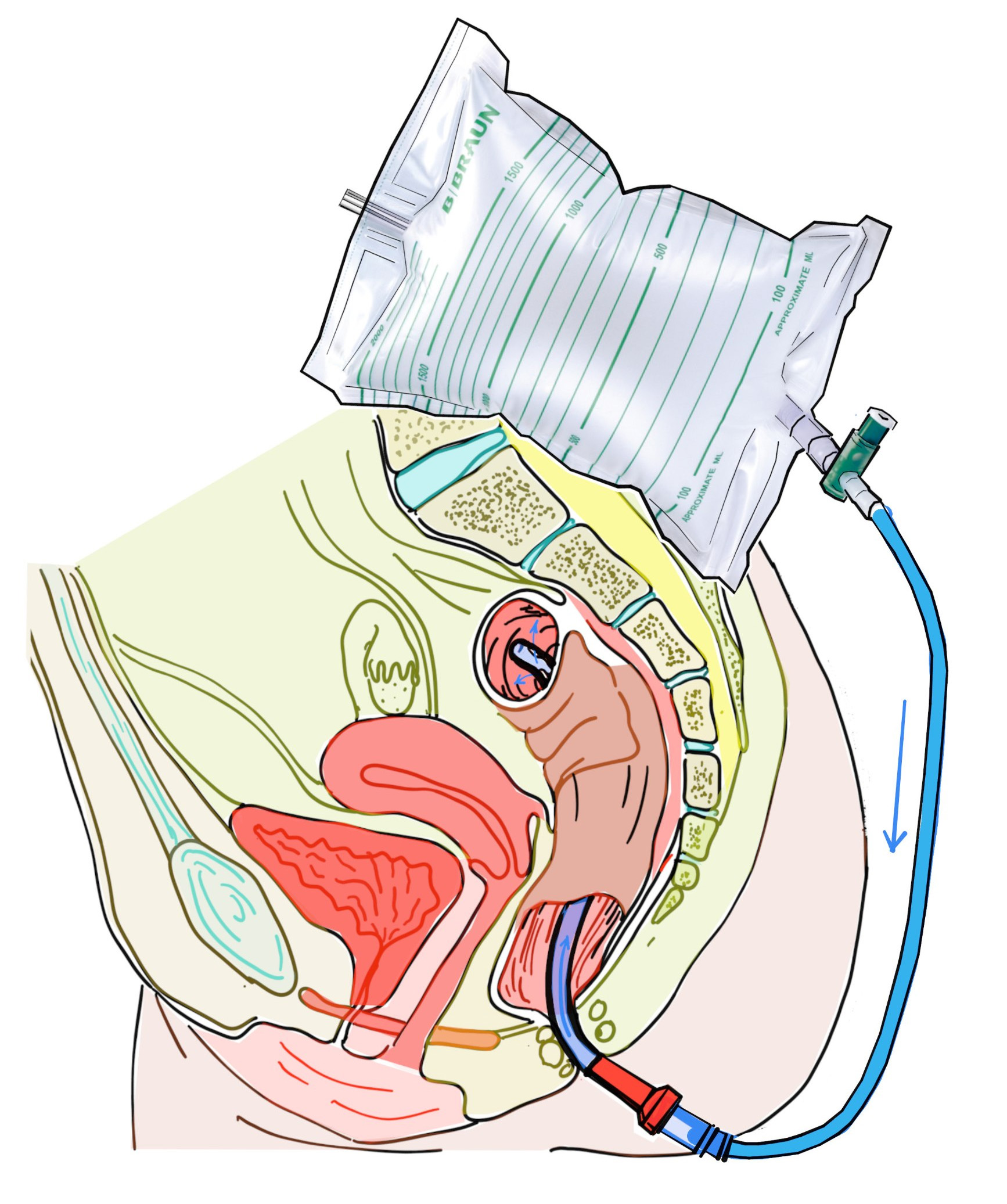
5. Rectal ozone insufflation
can be considered as an alternative to parenteral methods of ozone therapy, noninvasive, provides a systemic effect on the human body through fast resorption of ozone by rectum mucosa and conveying into the blood bed. Can be carried out by means of a Janet's syringe or special plastic container (the Medozons-Set, Order Code 30\01) connected with a disposable rectal catheter.
Basic Procedures of Local Action
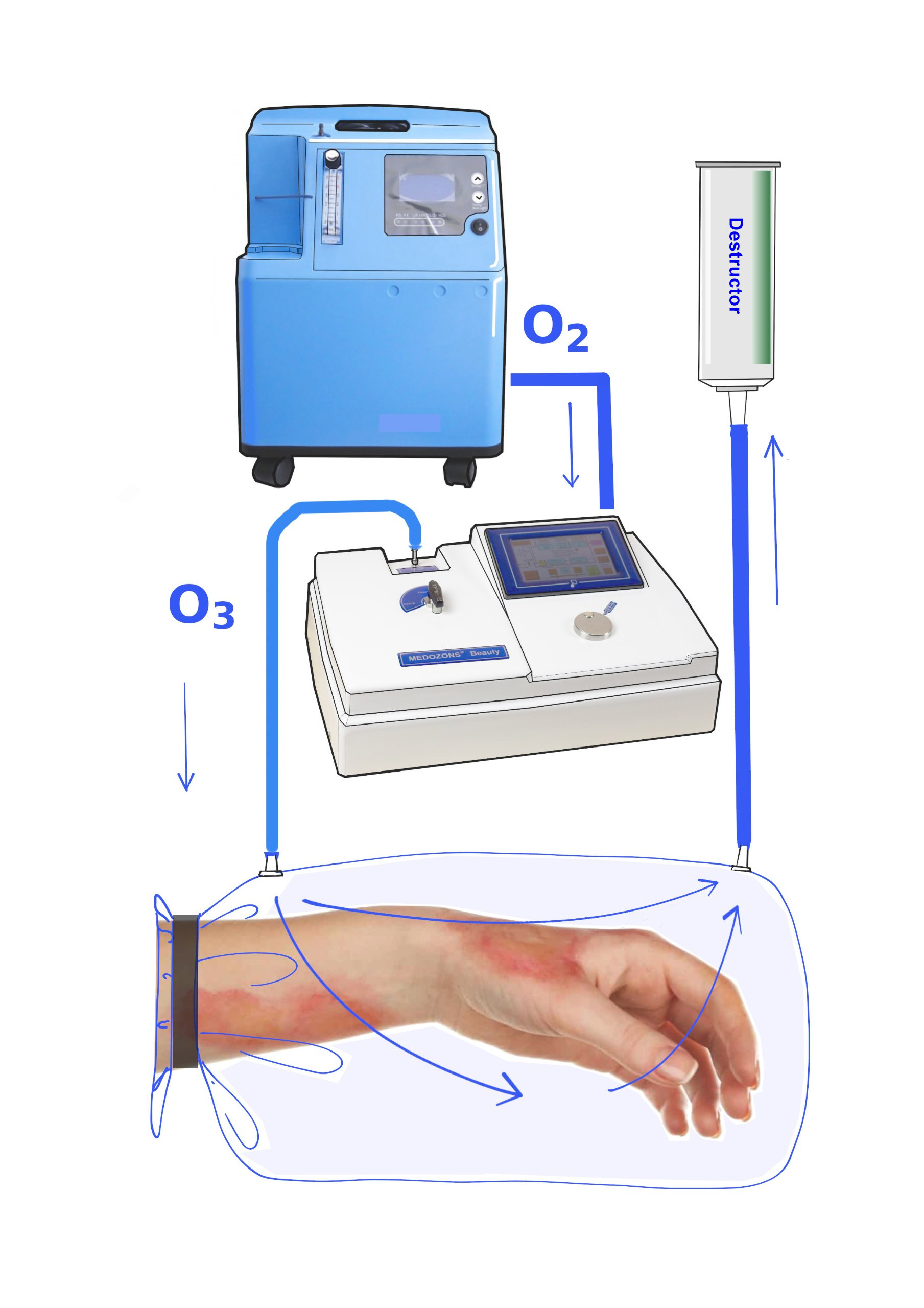
1. Treatment of pathological processes with ozone/oxygen gas mixtures in plastic chambers or frame-chambers (bagging) under high or low pressure or alternating between high and low pressure.
O2/O3 flow-rate - 1 L/min, O3 = from higher to lower
Pressure\low pressure - + 0,1 : + 1,0, -0,1 : -0,7 atm, removal rate - 0 : 5 L\min
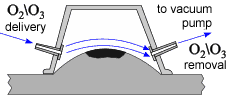
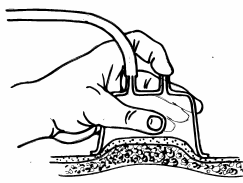
2. Treatment of pathological processes on small body areas with ozone/oxygen gas mixtures by means of "suction cup" (cupping) in low pressure conditions.
O2/O3 flow-rate - 1 L\min, O3 = from higher to lower
Low pressure - 0,2 : 0,7 atm, removal rate - 2 : 5 L\min
3. Continuous-flow intravaginal insufflation of ozone/oxygen gas mixtures.
4. Continuous-flow intravaginal instillation of ozonized water fine dispersions.
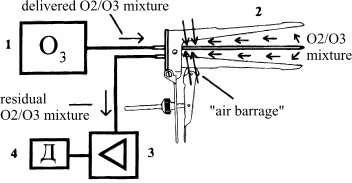
The exhaust O2/O3 is evacuated by producing with a pumping unit the so-called "air barrage" (without pressure and low pressure) that helps to remove the exhaust O2/O3 to a destructor.
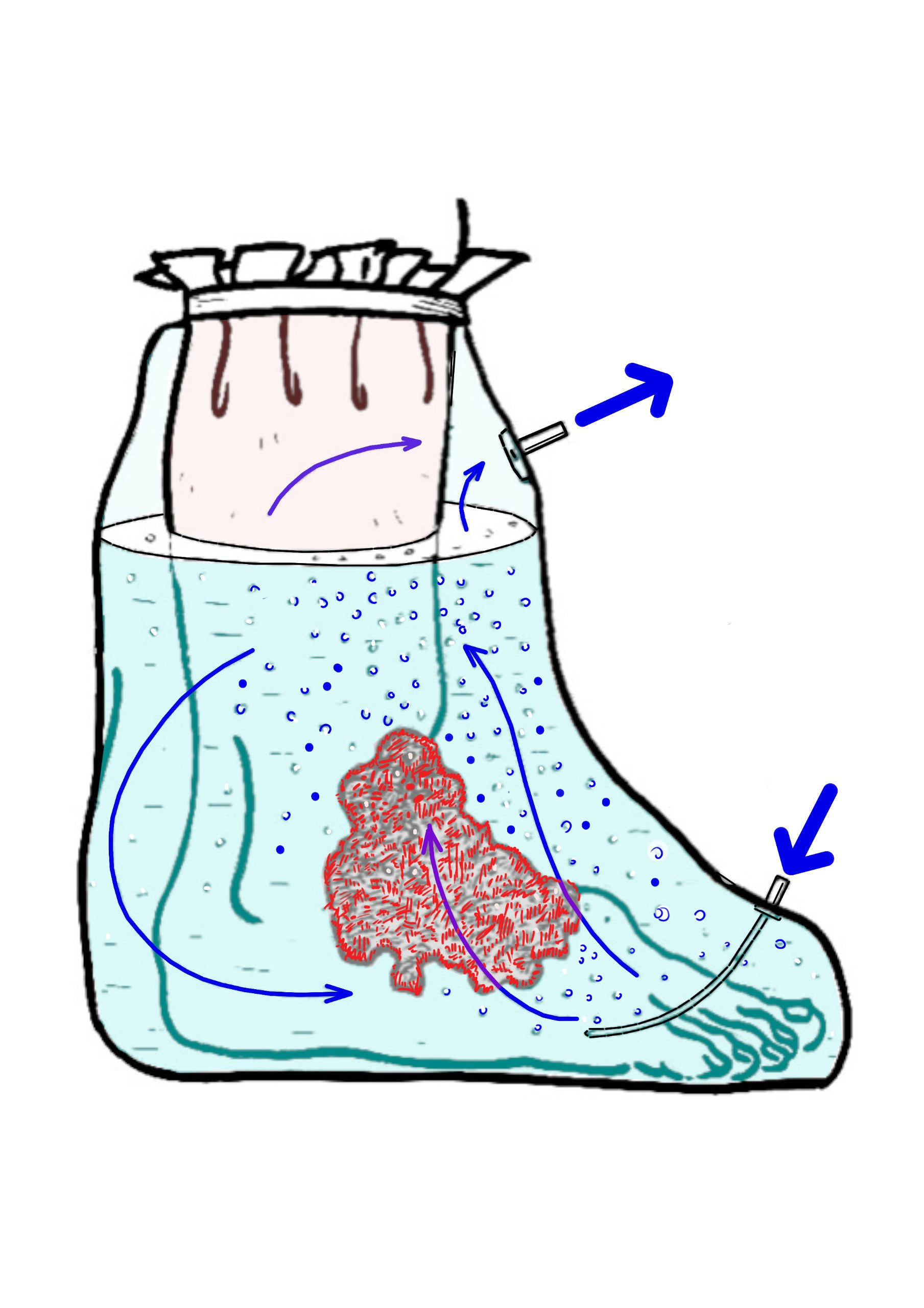
5. Local ozone water baths in plastic chambers with bubble hydromassage.
The picture demonstrates the frame-chamber "shank" (Order Code 21\01). Effective for different kinds of trophic disorders. The damaged area is placed in the flow of rising O2/O3 bubbles. Several factors are working here at the same time - the combined action of gaseous and fluid phases + light massage with bubbles that increases the treatment effectiveness.
6. Vacuum-vibratory massage with ozonized olive oil.
Vibration frequency 0,5 - 2 Hz.
Most frequently used in cosmetology for anti-cellulite treatment programs.
7. Ozone injections
: intramuscularly, intra- or periarticularly, subcutaneously, intracutaneously, paravertebrally, intravascularly. Subcutaneous injections can also be performed by means of a multi-injector (the so-called "comb") connected via tubing with 5 standard 30 gauge needles. The flow-rate of gas mixture is 2-3 ml/min through each needle. This method is used in the treatment of large body areas damaged by cellulite and local lipodystrophy.